
Parashat Tzav: Keep the Fire Burning
Discover Parashat Tzav: “Fire shall be kept burning on the altar continually” (Leviticus 6:13). Trim your wick and keep your fire burning for Yeshua through Zerizut (zeal) in this Messianic devotional 7-day Mussar exercise.
TORAH PORTIONS
Cody Hug
3/28/20264 min read

This Week's Readings:
Torah: Leviticus 6:8–8:36
Haftarah: Malachi 3:4–4:6
Brit Chadashah: 1 Thessalonians 5
Parashat Tzav: Keep the Fire Burning
This week’s parasha, Tzav, gives the priests their marching orders for the daily offerings and the maintenance of the Mishkan. In the midst of these instructions, G-d issues one of the most spiritually important commands in all of Torah:
“Fire shall be kept burning on the altar continually; it shall not go out.” (Leviticus 6:13)
Every morning the priests were to add wood, arrange the burnt offering, and make sure the flame never died. They were also commanded to clear away the ashes so the fire could burn clean and bright. The fire on the altar was not optional, it became the heartbeat of the Mishkan. Without it, there could be no offerings, no atonement, and worst of all no presence of the Holy One in the midst of the camp.
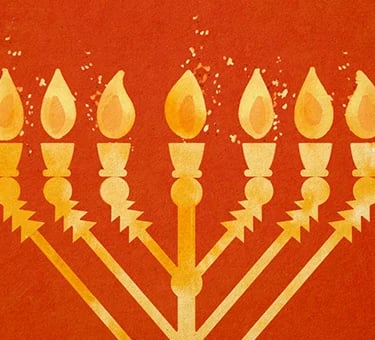
This eternal fire is meant to burn continually within us today. In Messiah Yeshua, our heart is the altar and our body the temple of the Ruach HaKodesh (1 Corinthians 3:16). The fire is a representative of the passionate love and power of the Holy Spirit within us. Since we are called to be a Kingdom of priests, we are responsible to keep this fire burning. This means trimming the wicks, removing anything that chokes the flame: sin, distraction, complacency, unforgiveness, and the ashes of yesterday’s struggles. A trimmed wick and clean altar burns cleaner, brighter, and longer.
Yeshua warned us about this in the parable of the ten virgins: only those whose lamps were trimmed and full of oil were ready when the Bridegroom came (Matthew 25:1-13). Paul commands us, “Do not quench the Spirit” (1 Thessalonians 5:19). And to the lukewarm congregation in Laodicea, Yeshua says, “Be zealous and repent” (Revelation 3:19). The fire must not go out because the world is dark, the night is long, and the Kingdom calls us to be lamps that burn with steady, holy zeal.
Parashat Tzav is our wake-up call: Don’t let your fire smolder. Trim the wick daily. Add fresh wood through prayer, worship, Scripture, and obedient service. Fan the flame with Zerizut, eager, diligent, and prompt devotion. The same fire that consumed the sacrifices on the altar now burns in you for Yeshua and His Kingdom.
Mussar Exercise: Cultivating Zerizut (Zeal & Alacrity)
Theme: Keeping the Altar Fire Burning Through Eager, Diligent Devotion
Middah (Character Trait): Zerizut (zeal / alacrity / diligence) expressed through ahavah (love) and avodah (service)
Anchor Texts:
“Fire shall be kept burning on the altar continually; it shall not go out.” (Leviticus 6:13)
“Do not quench the Spirit.” (1 Thessalonians 5:19)
“Be zealous and repent.” (Revelation 3:19)
Core Intention for the Week
This week we move from spiritual complacency or flickering faith to zealous Zerizut—actively trimming the wick and fanning the flame so the fire of the Ruach burns continually for Yeshua and His Kingdom.
Guiding Question: Where has my inner fire grown dim or my zeal cooled, and how can Zerizut help me keep the altar burning bright?
Maintain a small notebook, notes app, or use the Cheshbon haNefesh provided in this book for daily reflections. Each day includes:
Morning Kavanah (Intention)
Action Practice
Evening Cheshbon HaNefesh (Soul Accounting)
Morning Kavanah (Every Day)
Upon waking, recite slowly (out loud if possible):
“Today I choose Zerizut, L-rd. I will keep the fire burning on the altar of my heart. I trim the wick and fan the flame with eager love for You and Your Kingdom.”
Pause for one full breath, picturing the priests adding fresh wood as the fire blazes on the altar—symbol of continual, zealous devotion.
Daily Action Practices
Day 1 – Awareness: Checking the Flame
Practice: Quietly assess the “temperature” of your spiritual fire in three areas (prayer, worship, service). Be honest about what has dimmed it.
Reflection Prompt: What “ashes” need clearing so the fire can burn clean?
Day 2 – Trim the Wick
Practice: Identify and remove one thing that chokes your flame (a habit, grudge, distraction, or time-waster). Replace it with 10 minutes of focused prayer or Scripture.
Reflection Prompt: How did trimming the wick immediately brighten the flame?
Day 3 – Add Fresh Wood
Practice: Begin the day with a deliberate act of worship or praise, sing, declare Scripture, or thank G-d out loud for 5 full minutes.
Reflection Prompt: What happened to your inner fire when you added fresh fuel first thing?
Day 4 – Zealous Obedience
Practice: When a prompt from the Ruach comes today (to encourage someone, forgive, serve, or pray), respond with Zerizut, do it immediately and wholeheartedly.
Reflection Prompt: How did this practice fan the flame within you?
Day 5 – Guard the Fire
Practice: Throughout the day, whenever you feel irritation, distraction, or weariness, pause and say, “Do not quench the Spirit” (1 Thess 5:19).
Reflection Prompt: What noticeable difference did guarding the fire make in your day?
Day 6 – Communal Flame
Practice: Fan someone else’s fire, send an encouraging word, pray with a friend, or share how the L-rd has kept your own flame burning.
Reflection Prompt: How does helping another keep their fire lit strengthen your own?
Day 7 – Renewal of the Fire
Practice: Review the week’s notes. Renew your commitment aloud: “L-rd, I dedicate my heart as a perpetual altar. With Zerizut I will keep the fire burning for You and Your Kingdom, day and night, without going out.”
Reflection Prompt: Where did I feel the Ruach’s fire burn most brightly this week?
Repeat this practice and watch how Zerizut turns a flickering faith into a blazing altar, steady, bright, and unstoppable for Yeshua, the Kingdom, and a world that desperately needs His light in you.