
Valentine's Day: Unveiled
Discover the hidden history of Valentine's Day, from pagan Lupercalia rituals and legends of Saint Valentine, to a Biblical alternative in Tu B’Av. Explore themes of true love, renewal, and faith beyond commercial romance.
TOPICAL
Cody Hug
2/4/20265 min read

Valentine's Day Unveiled
Ah, February – that magical month when the world turns shades of pink and red. Stores overflow with heart-shaped chocolates, florists work overtime, and love notes flutter like confetti. Valentine's Day, celebrated on February 14th, has become synonymous with romance and a hefty dose of consumerism. But peel back the layers of this seemingly innocent holiday, and you'll uncover a tapestry woven from ancient pagan festivals, Catholic legends, and tales of martyrdom. Today, let's dive into the fascinating history behind Valentine's Day and explore a lesser-known alternative that aligns more closely with biblical principles.
The Pagan Roots: Lupercalia and Fertility Rites
Long before Valentine's Day became a hallmark of modern romance, the ancient Romans celebrated Lupercalia, a festival that heralded the shift from winter to spring. Dating back possibly to the 6th century BCE, this event focused on purifying the city and preparing for the agricultural season ahead. The name "Lupercalia" draws from "lupus" (meaning wolf), symbolizing primal instincts and herd protection, and Lupercus, the god of farming, flocks, shepherds, and fertility – often linked to Faunus, the deity of agriculture.
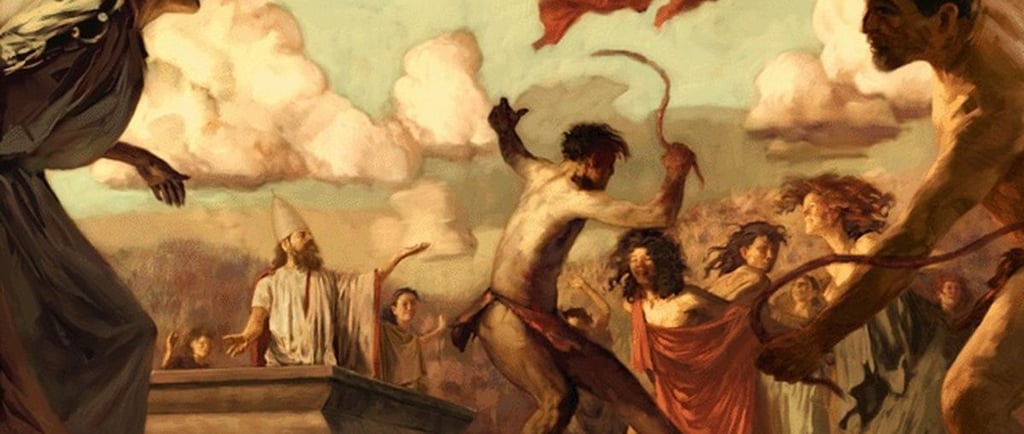
Legend ties Lupercalia to Romulus and Remus, Rome's mythical founders, who were said to have been nursed by a she-wolf in the Lupercal cave on Palatine Hill. Far from today's sweet gestures, the festival kicked off with animal sacrifices – goats and dogs – representing fertility and purification. Priests known as Luperci would then strip goat hides, dip them in blood, and dash through the streets, gently whipping bystanders. Women, in particular, welcomed these lashes, believing they promoted fertility, warded off evil, and eased childbirth pains. These hides, called "februa," may even be the root of our month's name, February.
Adding to the intrigue, Lupercalia featured a matchmaking lottery: Young men drew women's names from a jar, pairing up for the festival's duration – sometimes leading to lasting unions. Scholars debate the exact origins and activities, but the timing is uncanny – Lupercalia fell around February 15th, just a day after our modern Valentine's. Many believe the Catholic Church later "Christianized" these pagan rites, blending themes of love, renewal, and fertility that still echo in today's celebrations.
The Christian Layer: The Legend of Saint Valentine
Fast-forward to the third century CE, during a time of intense Roman persecution against Christians. Enter Saint Valentine, the figure who lends his name to the holiday. Here's where things get murky: The Catholic Church recognizes multiple saints by this name, and the stories are more legend than verified history, often embellished during the Middle Ages.
One popular tale portrays Valentine as a Roman priest under Emperor Claudius II, who banned marriages for young men, convinced that single soldiers fought better than married ones. Defying the edict, Valentine secretly wed young couples until his arrest and execution around 269-270 CE – on February 14th, no less. Another version casts him as a bishop imprisoned for aiding persecuted believers. While jailed, he reportedly healed his jailer's daughter, leading to the family's conversion. Refusing to renounce his faith, Valentine was executed but not before sending a farewell note signed "from your Valentine" – sparking the tradition of valentines.
The feast of Saint Valentine may have been established by Pope Gelasius I in the 5th century, though the earliest reliable records date to the 8th century. Initially, it honored martyrdom, faith, and compassion. By the 15th century, handmade valentines expressing romantic love emerged, paving the way for the commercial juggernaut we know today.
A Biblical Alternative: Tu B’Av and the Joy of Renewal
While much of the world indulges in Valentine's festivities, those in Messianic and Jewish communities have their own celebration of love: Tu B’Av. Falling on the 15th day of the Hebrew month of Av (typically July or August), this minor holiday brims with themes of renewal and authentic connection, rooted in ancient traditions.
Before the Second Temple's destruction in 70 CE, Tu B’Av marked the start of the grape harvest and was hailed as one of Israel's happiest days, alongside Yom Kippur (Mishnah Ta’anit 4:8). Unmarried women, dressed in borrowed white garments to level social statuses, danced in Shiloh's vineyards. They'd call out to potential suitors:
"Young man, lift your eyes and choose wisely for a wife. Don't focus on beauty, but on a good family," quoting Proverbs 31:30-31.
This ritual emphasized inner qualities, biblical values, and building strong families over superficial attractions.
Tu B’Av's joy stems from historical milestones: the end of wilderness deaths after the spies' sin, the lifting of inter-tribal marriage bans, and restored harmony among Israel's tribes. Coming right after Tisha B’Av – a day of mourning the Temple's loss – it symbolizes hope rising from ashes. Revived after Israel's 1948 rebirth, Tu B’Av is celebrated with dancing, proposals, and weddings, focusing on committed, restorative love rather than fleeting romance.
A Reflection for Messianic Believers
Valentine's Day might appear as harmless fun, all about spreading love. Yet its debated history – tangled in pagan rituals and commercialization – may not align with the values of Messianic believers, especially as we draw closer to our Jewish roots. Today's version often promotes shallow, sensationalized affection, far from the deep commitment scripture encourages.
In contrast, Tu B’Av invites us to celebrate alongside the broader Jewish community, embracing a biblically grounded view of courtship and marriage. It's simple: Don white clothes, stargaze with your loved one, and reflect on inner beauty and family-building. This holiday echoes the Lord's renewing work:
"Therefore, if anyone is in Messiah, he is a new creation. The old has gone, the new has come! All this is from G-d, who reconciled us to himself through Messiah and gave us the ministry of reconciliation." (2 Corinthians 5:17-18)
Ultimately, Tu B’Av reminds us to embody Messiah's love through service, compassion, and encouragement. As Yeshua taught in Matthew 22:37-40, loving God wholeheartedly and our neighbors as ourselves is the foundation of it all. So, this February, why not look beyond the red hearts and discover a love that's truly eternal?
Mussar Exercise: "Renewing Love Through Inner Vision"
Goal: To shift focus from external appearances or fleeting emotions to the inner essence of people, promoting genuine connection and self-renewal.
Steps:
Morning Reflection (Hitbonenut - Contemplation):
Set aside 10-15 minutes in a quiet space. Begin with a short meditation or prayer on this passagel: "Therefore, if anyone is in Messiah, he is a new creation. The old has gone, the new has come!" (2 Corinthians 5:17)
Journal Prompt: "What 'outer' qualities (e.g., looks, status, material success) have I prioritized in my relationships or self-perception? How have these led to shallow connections or personal stagnation?" Be honest— Mussar thrives on self-awareness without self-judgment.
Follow with: "What inner qualities (e.g., kindness, integrity, faith, resilience) do I admire in others or wish to cultivate in myself? How can these foster true love and renewal?"
Daily Practice (Ma'aseh - Action):
From Shabbat to Shabbat, engage in acts of chesed that highlight inner value. For example:
Reach out to a friend, family member, or partner with a note or call expressing appreciation for a specific inner trait, like their patience or wisdom. Sign it with a Tu B’Av twist: "From your friend in renewal."
For self-love: Perform a small act of renewal, like forgiving a past mistake or starting a new habit (e.g., reading a Psalm on love, such as Psalm 136).
Evening Review (Cheshbon HaNefesh - Soul Accounting):
Before going to sleep, review your journal. Ask: "Where did I succeed in seeing or expressing inner-based love today? Where did I fall short, and why?" Note any insights on renewal—perhaps a relationship mended or a personal barrier broken.
End with gratitude: Thank G-d for opportunities to grow in love, drawing from Matthew 22:37-39 ("Love the L-rd your G-d... and love your neighbor as yourself").